

If your teen is or might be self-harming, it’s not your fault. Parents who have not been through the same often have questions: Why would my teen do this? Does it mean they’re suicidal? How do I help right now? There are productive ways to respond, such as staying calm and avoiding yelling, threats, or punishment. Learning about self-harm in teens can help you understand more, support your child, keep them safe, and get them the care they need.
What Is Teen Self-Harm?
Teen self-harm is when adolescents cause physical damage to their skin or body tissues. It can manifest in different ways. It is often a sign that they’re trying to cope with something else. It is not necessarily a suicide attempt, but it always deserves attention.
Does Self-Harm Mean My Teen Is Suicidal?
While self-harm and suicidal thoughts aren’t the same, they can overlap. Direct safety questions and a professional assessment can help determine whether a teen is suicidal. Questions such as the following are generally used to assess risk.
- Have you had thoughts of ending your life?
- Do you intend to act on these thoughts?
- Do you have a plan?
Many people who self-harm do not have active suicidal ideation. This is called nonsuicidal self-injury. It does not usually go away on its own. People who self-harm can feel like it is hard to control, but with treatment, it can be overcome.
Why Do Teens Self-Harm?
People self-harm for different reasons. A teen may self-harm due to:
- Emotional pain or numbness.
- Difficulty regulating emotions.
- Feeling out of control.
- Trouble expressing their feelings.
Like many other detrimental behaviors, self-harm tends to serve a purpose when someone doesn’t know what else to do. If emotions are intense, teens could turn to self-harm as a mode of release; if they feel numb, it could be to feel something; if they’re anxious, their thoughts could be racing, and they just want it to stop.
Warning Signs Parents May Miss
Since many do not want people to know about their behavior, noticing the signs of self-harm in teens can be difficult. Teens may hide or make excuses for injuries. For this reason, many parents miss the signs. Things to look out for include:
- Unexplained cuts, burns, or bruises.
- Wearing long sleeves, wrist bands, or long pants in hot weather.
- Not wanting to participate in activities (like swimming) that require less clothing.
- Finding items that could be used to self-injure in their belongings.
- Blood or first aid supplies noticed without a clear reason.
- Wearing bandages frequently.
- Isolation after conflict.
- Mood changes.
Your teen may also seem more withdrawn or irritable than usual. They may make concerning statements about low self-worth or depression. However, this is not always the case–a child can appear happy and self-harm.
How to Respond If You Discover Self-Harm
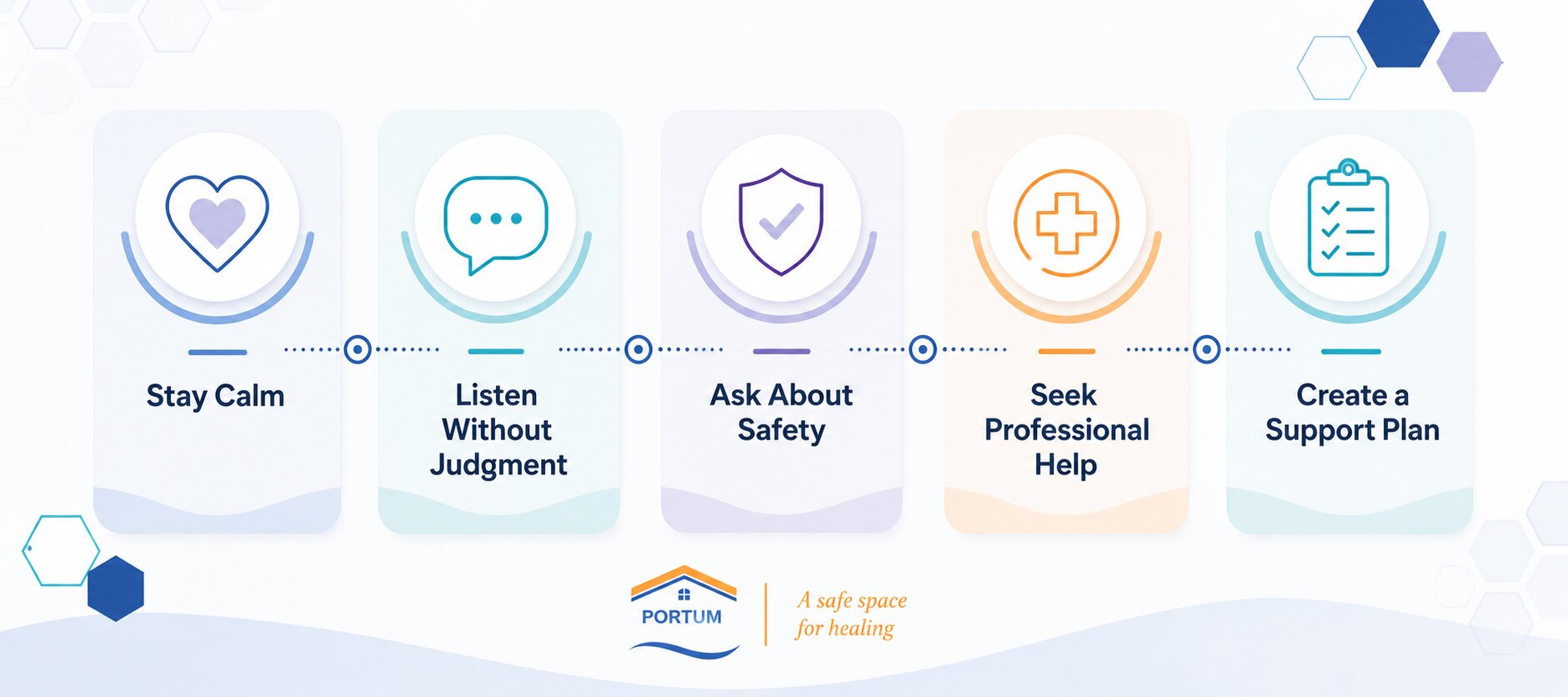
Discovering that a teen is self-harming is emotional. Knowing what to do and not to do can help you respond in a productive way.
Do:
- Stay calm.
- Thank them for telling you (if they disclosed it).
- Remove immediate risks (e.g., any items that can be used to self-harm).
- Ask about safety (do they need immediate crisis support)?
- Seek a professional evaluation.
- Make a support plan.
Don’t:
- Get angry.
- Lecture your child.
- Make threats or ultimatums.
- Put them down or guilt them.
- Punish your teen.
Parents often feel afraid, angry, frustrated, or guilty. If your emotions are running high, it’s not the time to talk. Speaking with a calm tone of voice, letting your child know that you care and are on their side, and seeking professional help are the best things you can do.
When to Seek Immediate Crisis Help
If your teen may be in imminent danger, has expressed suicidal intent, has a severe injury, or if you’re not sure they can stay safe at home right now, call 911 or go to the nearest emergency room. You can also call or text the 988 Suicide & Crisis Lifeline for 24/7 confidential crisis support.
If you’re not sure if crisis support is needed, 988 (the Suicide & Crisis Lifeline) can tell you whether you should call 911 or take your child to the emergency room. They can also provide support and resources for families and teens who are not in immediate danger.
Treatment for Self-Harm in Teens
Your teen can heal from self-harm. Recovery takes time. It isn’t always linear. Treatment for self-harm in teens typically involves:
- Dialectical behavior therapy (DBT) skills. DBT is a type of therapy that focuses on components like emotion regulation and interpersonal effectiveness. It helps teens learn how to manage their emotions, navigate self-harm urges, communicate with others, and tolerate or reduce distress.
- Individual therapy, group therapy for adolescents, and family therapy are often helpful for teens who self-harm.
- Family support. Seeking help for yourself (e.g., talking with a therapist) can be important. It sets a good example for your child and gives you a place to talk openly.
- Safety planning. Making a crisis plan and a plan for what to do when self-harm urges arise. This often includes things like talking to someone they trust, using healthy distractions, and crisis or immediate support resources, such as hotlines.
- Treatment for underlying or co-occurring concerns. For example, depression, trauma, or anxiety.
- Structured adolescent programming. For example, intensive outpatient programs for teen mental health. Our outpatient programs heavily involve family members in the treatment process.
While self-harm is not a diagnosis itself, it is much more common in children who have other mental health conditions, like depression. In this case, depression treatment is important. Depression is very common. It can affect anyone, regardless of life circumstances. Like self-harm, it is treatable.
FAQs About Self-Harm in Teens
Why does my teen self-harm?
Self-harm is often a sign that a teen is overwhelmed and doesn’t yet have safer ways to cope with emotional pain. It can be tied to depression, anxiety, trauma, shame, anger, numbness, or stress.
Is self-harm always a suicide attempt?
No, self-harm is not always a suicide attempt. However, it should always be taken seriously because self-harm and suicidal thoughts can overlap. A professional evaluation can help clarify risk and next steps.
How can I help my teen if they are self-harming?
Stay calm, ask about immediate safety, avoid shame or punishment, and seek professional support (e.g., a teen therapist or outpatient program). Use crisis resources if there is any concern about imminent danger or suicidal intent.