
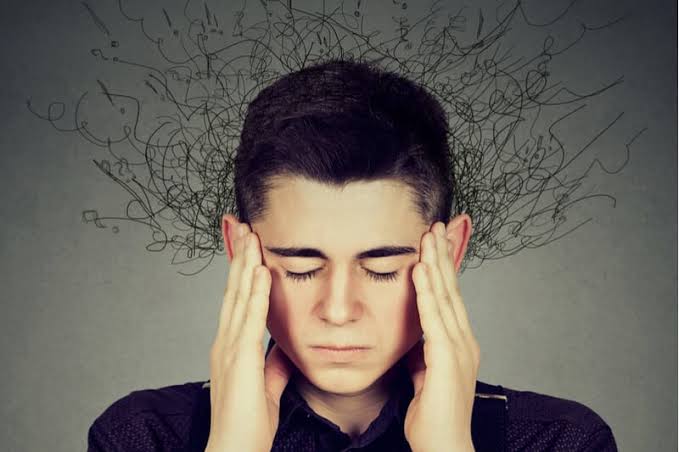
Most parents know anxiety exists. What they don’t always recognize is how signs of anxiety looks in a teenager and how easily it gets mistaken for attitude, laziness, or a bad attitude phase that will pass.
Teen anxiety doesn’t announce itself. It shows up sideways: in the stomach aches before school, the cancelled plans, the 2 a.m. texts from a kid who “can’t sleep again.” A lot of parents spend months wondering what’s wrong before they land on anxiety as a possible answer.
This guide is for those parents. If something feels off with your teen but you can’t name it yet, here’s what anxiety actually looks like in this age group and when it’s time to get help.
Why Teen Anxiety Looks Different Than You’d Expect
The mental image most people have of anxiety — someone trembling, visibly panicked, openly distressed — doesn’t match what most anxious teenagers look like day to day.
Teens are actively trying to manage how they come across. They hide struggles from parents. They’ve learned that admitting fear can feel embarrassing or weak among peers. So anxious teens often don’t look frightened.
That mismatch between what’s happening internally and what shows up externally is the main reason teen anxiety goes missed — sometimes for years.
There’s also a developmental piece. Adolescents are wired to pull away from parents and test independence. That’s normal. The problem is that the same behaviors — withdrawal, irritability, pushing back — also show up in anxiety, and it’s easy to attribute everything to “just being a teenager.”
Physical Signs of Anxiety in Teenagers
The body keeps score, and for anxious teens, it keeps a loud one.
Frequent headaches with no clear medical cause are common. So are stomachaches — the kind that reliably appear on school mornings and disappear on weekends. Some teens have nausea, dizziness, or shortness of breath that no one can trace to anything physical. Others develop significant sleep problems: trouble falling asleep, waking repeatedly, or being exhausted all day despite sleeping long hours.
These complaints are real. The pain and discomfort are genuine, even when the cause is anxiety rather than a virus or injury. The pattern worth paying attention to is when physical symptoms are selective — they cluster around specific situations, show up predictably before stressful events, and lift when the stressor is removed.
A few other physical signals parents sometimes overlook:
- Muscle tension — your teen may complain of a stiff neck, sore jaw, or tension headaches more than their peers seem to
- Startle response — an anxious nervous system is primed for threat, and teens may jump or flinch at sounds that don’t bother other people
- Fatigue — running the mental machinery of constant worry is exhausting, and some anxious teens seem perpetually tired regardless of how much sleep they get
Emotional and Behavioral Signs of Anxiety in Teenagers
This is where it gets harder to read, because the emotional presentation of anxiety in teens overlaps heavily with normal adolescent development.
Irritability and short fuses are probably the most misread sign. Parents describe it as “everything sets him off” or “she’s been so snappy lately.” Anxiety shows up as anger in teens more than most people realize. When the nervous system is chronically activated, small frustrations hit differently. What looks like defiance or disrespect is often a regulation problem, not a character problem.
Avoidance is the behavioral hallmark. Anxious teens get very good at steering around things that trigger their discomfort — crowded situations, social events, unfamiliar experiences, academic pressure. The avoidance often starts small and grows. What begins as “I’d rather not go to that party” can expand into skipping lunch in the cafeteria, then avoiding elective classes, then resisting school entirely.
Perfectionism and over-preparation can look like conscientiousness to parents, but when a teen is rewriting an essay for the fifth time at midnight or unable to submit an assignment because it’s “not good enough yet,” that’s anxiety driving the behavior. The goal isn’t excellence — it’s eliminating the discomfort of uncertainty.
Social withdrawal is another signal. Some teens pull back from friends, quit activities they used to enjoy, or simply spend significantly more time alone. They may describe it as “just not feeling like it” rather than fear, but the pattern of increasing isolation is worth taking seriously.
Reassurance-seeking can be subtle — a teen who constantly checks in about plans, asks the same questions repeatedly, or needs repeated confirmation that things are okay. The reassurance provides brief relief, but the relief doesn’t last, and they come back for more.
Types of Anxiety That Show Up in Teens
Not all teen anxiety looks the same because anxiety isn’t one thing — it’s a category that includes several distinct patterns. Knowing which type fits your teen can help you point toward the right kind of help.
Generalized Anxiety Disorder (GAD) involves chronic, wide-ranging worry that’s hard to control and shifts between topics — school, family, health, the future, current events. It’s not tied to any one specific trigger.
Social anxiety is one of the more common presentations in teenagers and often looks like extreme self-consciousness, dread around being evaluated or embarrassed, and avoidance of social situations. It’s more than shyness — it involves real distress and often causes teens to shrink their world to avoid the discomfort.
Panic disorder involves recurrent, unexpected panic attacks — sudden surges of intense fear with physical symptoms like racing heart, chest tightness, or dizziness. Teens sometimes end up in the ER the first time it happens because neither they nor their parents know what’s happening.
Separation anxiety doesn’t stop in childhood. Some teens experience significant distress around being away from home or parents, which can contribute to school refusal and difficulty with overnight trips or independence.
School-related anxiety often presents as a cluster — morning physical symptoms, resistance to attending, pleas to stay home — that builds over time. When school refusal becomes a pattern rather than an occasional bad day, it’s usually anxiety at the root. You can read more in our guide to school refusal in teens.
When Is It Normal Worry vs. Anxiety That Needs Help?
Every teenager worries. That’s not a disorder — that’s development. Exams, friendships, the future: these are genuinely stressful, and some level of distress in response to real stressors is healthy.
The clinical distinction comes down to three things: frequency, intensity, and impairment.
- Frequency: Is the worry occurring most days, or tied to specific reasonable stressors?
- Intensity: Is the worry proportionate to the actual situation, or does it feel impossible to control even when your teen knows it’s excessive?
- Impairment: Is anxiety getting in the way of things your teen used to do — school, friendships, activities they care about?
Duration matters too. A week of nerves before starting a new school year is normal. Six months of morning physical symptoms, increasing avoidance, and declining grades is a different situation.
The question isn’t whether your teen is “anxious enough” to deserve help. If what you’re seeing is interfering with their functioning and making their life smaller, that’s enough of a reason to look into it.
What to Do If You Think Your Teen Has Anxiety
Start with a conversation — not an interrogation. Teens are more likely to open up when they don’t feel like they’re being diagnosed or analyzed. Something like “I’ve noticed you seem more stressed than usual lately, and I’m not here to fix it, just to understand what’s going on” tends to land better than “Do you have anxiety?”
From there, a few practical steps:
Talk to your teen’s pediatrician. They can rule out physical causes for symptoms like headaches and stomachaches, and they can do an initial screening for anxiety. This is often a good first step that feels lower-stakes than calling a therapist directly.
Understand that anxiety is very treatable. The most effective treatments — particularly cognitive behavioral therapy (CBT) and dialectical behavior therapy (DBT) — have strong evidence bases for adolescent anxiety. With the right support, teens improve. This isn’t something they’re stuck with.
Know when to escalate. If anxiety is significantly interfering with school, friendships, or basic daily functioning — or if you’re seeing signs of depression, self-harm, or substance use alongside the anxiety — that’s a signal that more intensive support may be the right next step.
At Portum Wellness, we work exclusively with adolescents ages 13–18 in Annandale, NJ. Our teen anxiety treatment program addresses anxiety across levels of care — including IOP for teens whose anxiety has started interfering seriously with their day-to-day life. If your teen is also struggling with substance use alongside anxiety, that’s not a barrier here. We treat both together. There’s no wrong door.
Call us at (551) 368-5648 or verify your insurance to get started — the process takes about two minutes.
Frequently Asked Questions
How do I know if my teen has anxiety?
The clearest signs are persistent worry that’s hard to control, physical symptoms without a medical cause (especially ones that cluster around school or social situations), avoidance of things they used to do, and a general narrowing of their world. If anxiety is interfering with school, friendships, or daily activities for more than a few weeks, it’s worth getting a professional opinion.
Can teen anxiety go away on its own?
Sometimes mild anxiety improves as stressors resolve or as teens develop better coping skills. But anxiety that’s been going on for months, or that’s causing your teen to avoid significant parts of their life, rarely resolves without some kind of support. The longer avoidance patterns become established, the harder they are to reverse.
Does anxiety look different in teen girls vs. teen boys?
Often, yes. Teen girls are more likely to show anxiety through worry, reassurance-seeking, and internalized distress. Teen boys are more likely to present with irritability, anger, or behavioral acting out — patterns that are easier to misread as attitude or defiance. Both presentations are anxiety. The gender difference is in the display, not the underlying experience.