

Most can agree that the teenage years aren’t easy. Not for the child, not for the parent. However, when parents feel like their teen is constantly angry, explosive, disrespectful, or impossible to get through to, seeking professional support matters.
Anger is often the visible symptom. Not the whole problem. Many parents feel powerless under these circumstances, but you aren’t. That’s where working with trained professionals who truly understand you, your child, and your family’s circumstances comes in.
This post should help you understand what might be underneath teen anger without excusing harmful behavior. As always, if you have any questions, give us a call. We’re here to help.
Is Anger Normal in Teenagers?
All teens get frustrated and may be irritable at times. Independence-seeking and testing limits or boundaries are normal parts of development. For example, they might roll their eyes, talk back, question expectations, or push for a later curfew. These are all healthy, expected parts of becoming your own person.
Frequent or unsafe anger is different. This needs attention. There are some things to look out for that can help you distinguish it from typical teen behavior.
When Teenage Anger Becomes a Problem
How do you know if you should seek help for anger in a teen? Here are some red flags.
- Aggression
- Uncontrollable angry outbursts
- Making threats or intimidating others
- Getting into trouble at school for anger or fighting
- Feeling like you’re walking on eggshells
- Sudden changes in behavior
- Yelling or verbal aggression
- Door slamming
- Property damage
- Social withdrawal
- Substance use
- Self-harm
In some teens, increased anger could be sudden or recent. For others, it could be a longstanding issue. Either way, if patterns repeat, it’s time to seek help. Don’t watch and wait.
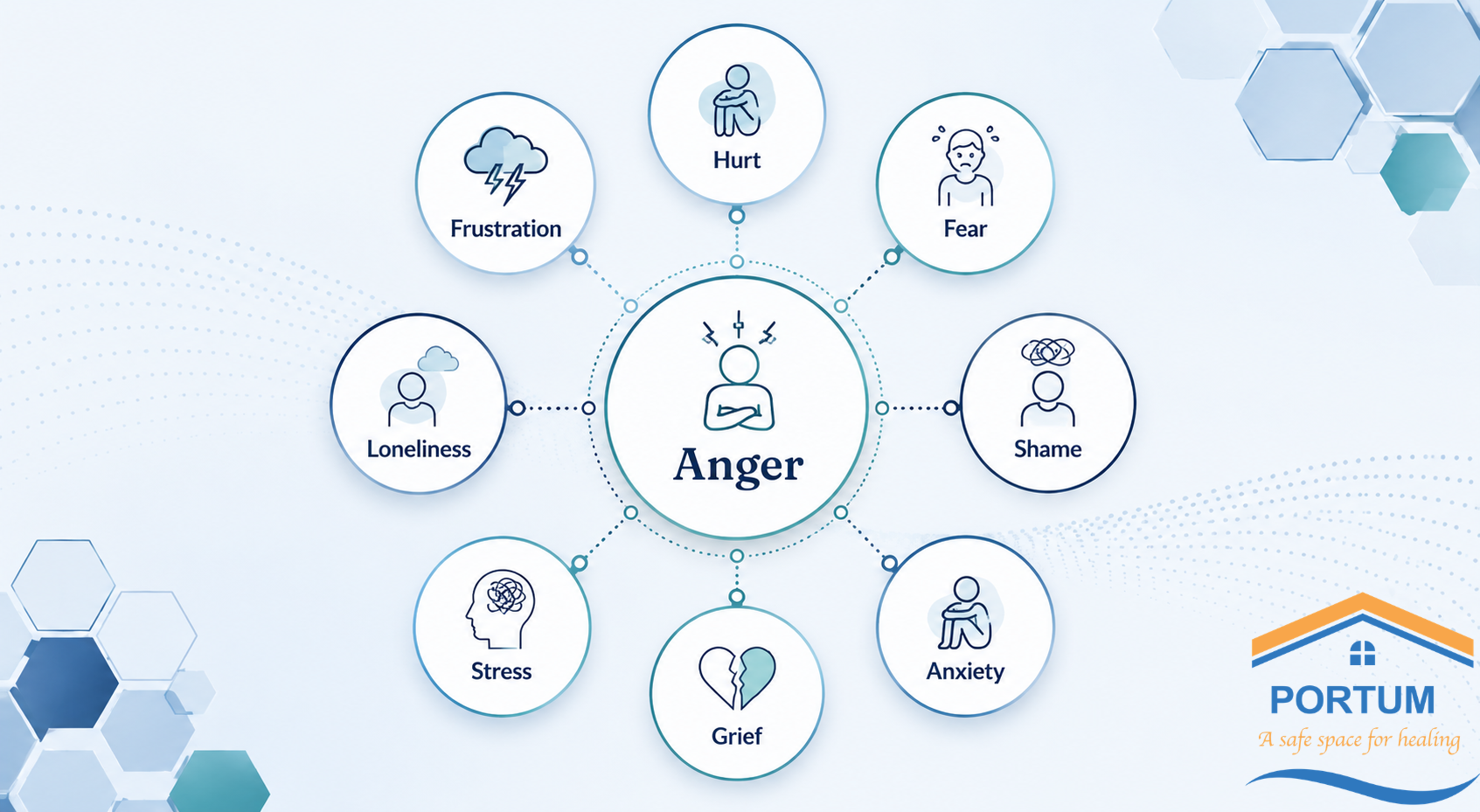
What Could Be Underneath Teen Anger?
A lot of different things can be underneath teen anger. That’s just one part of why seeking help matters. Mental and behavioral health issues are complex. Professionals who work with teenage behavioral issues can help teens and families identify the root cause(s) or contributors and, in turn, address them. Here are some common ones we see.
- ADHD affects impulse control. It often comes with difficulty regulating emotions. Youth with ADHD have a higher risk of concerns like conduct disorder.
- Social issues. Kids who experience bullying, feel out of place with peers, or go through another form of social stress can feel angry. Rather than tell someone or seek help, they might withdraw or snap.
- Substance use. Drug and alcohol use can cause changes in behavior. It can also co-occur with anger and other mental or behavioral health concerns.
- Like social stress, grief is often difficult to talk about, and it can make kids feel angry. Whether they’re grieving the loss of a loved one or the loss of something else in their lives–like a sport they had to give up due to an injury–it’s important that teens facing grief have support.
- Pressure and stress. No one is at their best under chronic stress. Whether it’s academic pressure, family conflict, or another form of stress in their lives, it can sometimes cause anger, irritability, withdrawal, and changes in mood for teens.
- Anxiety and depression. Irritability is a possible symptom of anxiety and depression.
- Identity struggles. Teens are finding out who they are–feeling misunderstood, sad, or fearful about identity struggles, or having an unstable sense of identity (which is common in people with complex trauma and conditions like borderline personality disorder), can be a root cause of anger.
- Many trauma survivors feel angry about what they’ve been through, or they might experience an increase in irritability due to a condition like post-traumatic stress disorder.
- Whether they feel shame about a fundamental piece of who they are, “not succeeding” at school, social issues, or something else, it is very common for people to become angry as a way to cover up shame.
Anger can be a protective emotion. In this case, anger can be a way kids hide their real feelings. We see this a lot with shame, but that’s just one example. People, including teens, don’t always want to seem vulnerable. They might not want (or have the skills to) talk about feeling resentful, less than, hurt, sad, or scared.
How Parents Can Respond in the Moment
Treatment is effective, but progress takes time. If you’re reading this to find out how to best navigate teen ager issues right now, here and some do’s and don’ts.
Do:
- Self-regulate. Set a positive example by staying calm. If you are not able to speak calmly at this time, tell your teenager that you need to take a few minutes to calm down and that you will talk to them afterward.
- Validate emotions (not behaviors). Separate feelings from behaviors–if they say they’re upset, validate the feeling while setting firm boundaries about the behavior.
- Prioritize safety. Crisis resources like 911 or the emergency room may be necessary if your teen’s at risk of hurting themselves or someone else.
Don’t:
- Match their anger. Again, the #1 thing you can do is to stay calm. Not only do you not want to set a bad example by acting in anger, but it is also not productive.
- Take it personally. Recognize that outbursts aren’t a personal attack–no matter what your teenager says, including if it is hurtful. It is best not to engage in arguments or go back and forth.
- Force an immediate resolution. When a teen’s emotions are intense and unregulated, their head isn’t clear enough to have a productive conversation.
You may tell your teen that you understand they’re likely having painful emotions, that you love them, and that that’s why you are seeking help for them. Therapy is not a punishment–quite the opposite. It makes the anger inside less volatile, and it makes daily life better. We offer family education as a part of your child’s treatment, which can help you learn how to navigate these challenges effectively.
When Therapy or a Program Can Help
How does treatment help teens with anger? Therapy can help your child:
- Name feelings. Emotions aren’t something to be afraid of. In treatment, we help kids learn to let feelings in–not push them away–and to sit with and respond to them in healthy ways. The first step is being able to name how you feel (e.g., angry, sad, hurt).
- Regulate emotions. When you’re able to name a feeling, it helps you understand what you need–once you learn the coping skills that help you. We teach teens healthy emotion regulation strategies.
- Repair relationships. Through therapies like DBT, we help teens learn healthy communication and interpersonal effectiveness skills.
- Address underlying concerns (e.g., anxiety, depression, ADHD, trauma, etc).
If these seem like skills and goals your teen could benefit from, adolescent behavioral treatment at Portum Wellness can help. Our trauma-informed programs use a combination of individual, group, and family therapy sessions. They’re available in person and online, and we offer same-day admissions for families who need it.
Portum Wellness is here for you, your child, and your family 24/7. Call (551) 368-6074 or reach out online today.
FAQs About Teenage Anger Issues
Why is my teenager so angry all the time?
Teen anger can come from stress, anxiety, depression, ADHD, trauma, sleep issues, family conflict, peer problems, or substance use. Sometimes, anger is the easiest emotion for a teen to show when other feelings are more vulnerable to display.
Are teenage anger issues normal?
Some anger is normal during adolescence. It becomes more concerning when it’s frequent, intense, unsafe, or disruptive to school, home life, friendships, or daily functioning.
When should I worry about my teen’s anger?
Seek help if anger includes threats, aggression, property damage, self-harm concerns, substance use, school discipline, or ongoing conflict that the family cannot resolve safely.